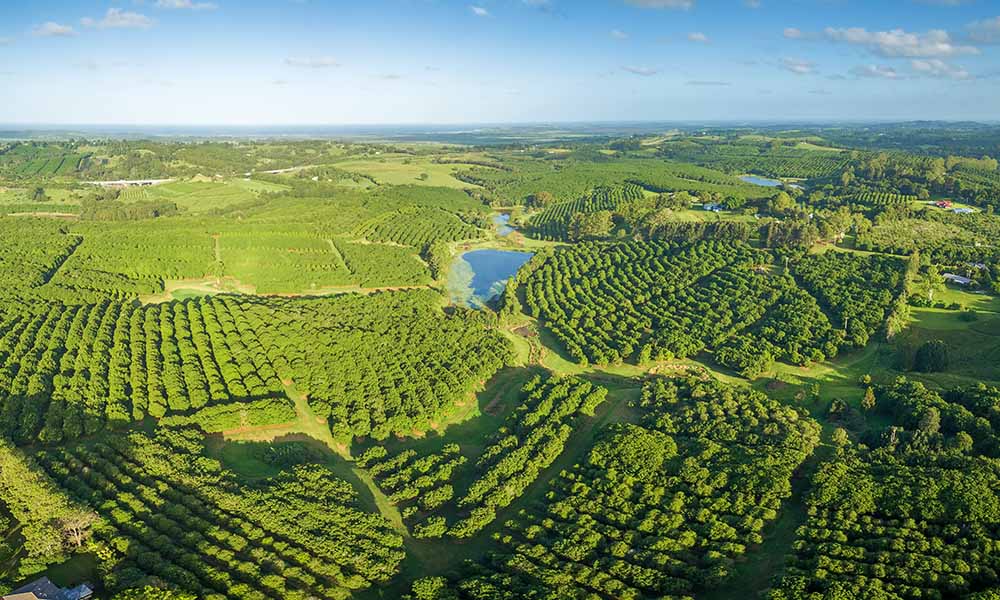
Bendigo Bank Agribusiness’ latest Monthly Commodity Update reports strong livestock prices, sparked by rainfall across eastern Australia, and a record harvest for macadamias thanks to maturing orchards.
“The recent rain has given cattle producers the confidence to hold onto stock, abruptly tightening availability and driving a major price lift,” Bendigo Bank Agribusiness Senior Manager Industry Insights, Eliza Redfern said.
“This has shifted market leverage back to producers, with the national young cattle indicator jumping 23.4 per cent in May. While this turnaround is a welcome relief, follow-up winter rain will be critical to sustain these gains and kickstart a herd rebuild,” she said.
Away from the paddocks, Australia’s macadamia growers are set to crack a historic milestone, with maturing orchards driving the largest harvest on record.
“While a record crop is a major achievement, global market uncertainty, high stock levels, and rising Chinese self-sufficiency will keep pressure on macadamia pricing across the 2026 season,” Ms Redfern said.
Other key insights from the June report:
- Wool supply at a century low: National wool supply is projected to drop to 243.9 million kilograms in 2026/27 – a low not seen since the 1920s, following a four-season decline in flock sizes.
- Opening milk prices signal continued margin squeeze: Processors have announced overall steady opening farmgate milk prices for the 2026/27 season, ranging around $8.50 to over $10/kg MS. Step-ups through June will likely be limited to those at the bottom of the range, and the supply fundamentals may not be supportive of mid-season increases. Steady incomes against higher input costs will keep the squeeze on farm margins in the new season.
- Looming squeeze on vegetable supply: An updated AusVeg survey reveals soaring costs (fertiliser up 51% and diesel up 61%), prompting nearly a quarter of growers to scale back planting, threatening supply shortages and winter food price inflation from late July.
- Chicken the favoured protein as cost-of-living pressures continue: Australian chicken consumption rose 18 per cent in the past decade to an average of 53 kilograms annually per person, making the chook Australia’s primary, budget-friendly protein. This is in contrast to the 27 and 40 per cent declines in beef and lamb consumption.